

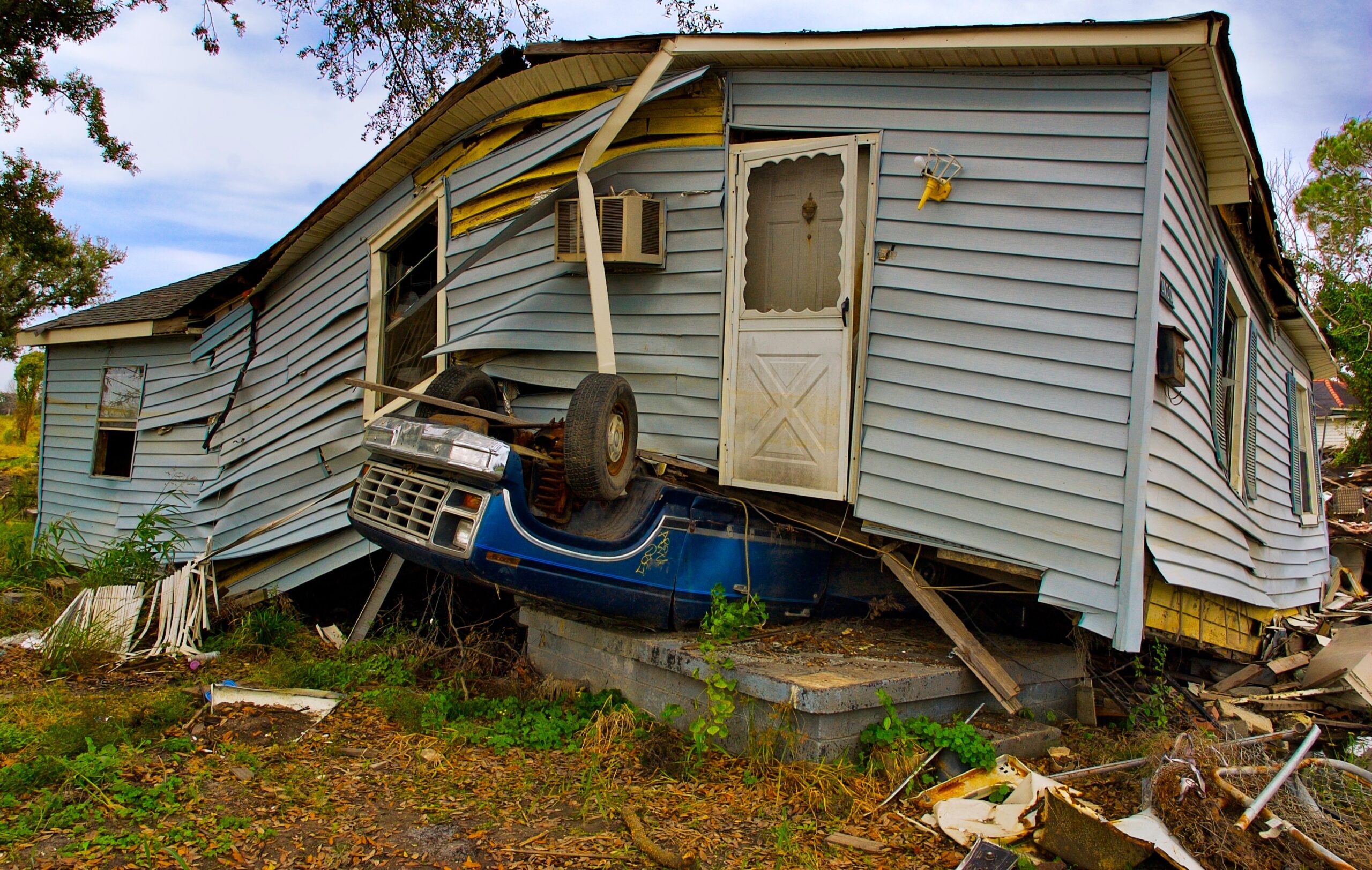
When the wind begins to blow and the storm clouds gather, it’s natural for your thoughts to turn to the protective walls around you. Will your manufactured home withstand the storm? What can you do to protect your mobile home in a natural disaster like a hurricane?
How Safe Are Mobile Homes in Hurricane Winds?
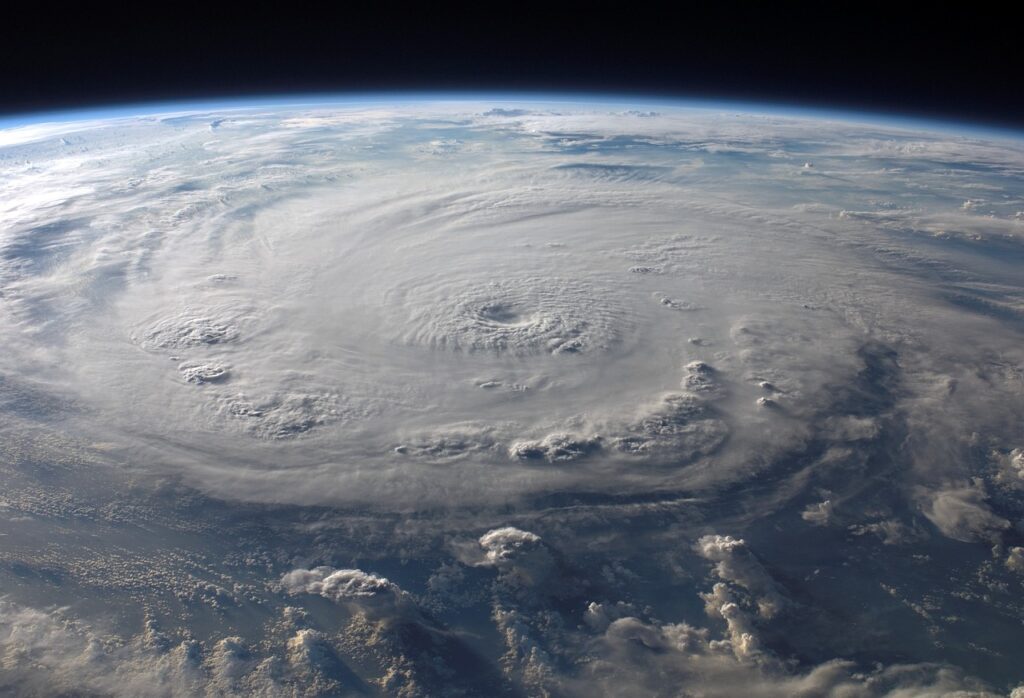
Is your mobile home safe from strong hurricane winds? The Atlantic Ocean hurricane season usually lasts from June through November, and the recurring weather pattern, such as La Niña, is causing forecasters to predict above-average hurricane activity year by year.
The National Oceanic and Atmospheric Administration (NOAA) has predicted a likely range of 14 to 21 named storms – 3 to 6 of which could become major hurricanes of Category 3 or higher.
With that forecast looming, it makes sense to prepare well for this natural disaster and keep your mobile home safe. This is especially true for the most affected states highly susceptible to hurricane activity – Florida, Texas, Louisiana, and North and South Carolina.
Key Considerations of Mobile Home Safety
- Forecast
In general, meteorologists can make an accurate hurricane forecast with much certainty for up to five days. Often, it is much less, with storms changing course with little to no warning. Time is of the essence to prepare your mobile home and limit the storm’s impact.
- Structure
Many factors will affect how well your dwelling can weather a hurricane. Structures are not all created equal. “Mobile homes” refer to homes built before 1976. The HUD code was implemented that year, which featured a strict series of construction and safety standards. After that year, the dwellings were called “manufactured homes” and were required to adhere to higher federal building standards that touch on strength, durability, fire resistance, and energy efficiency.
- Wind Zones
Based on weather patterns, the US is divided into wind zones. Make sure to check that your manufactured home has a wind zone rating suitable for your location. Otherwise, it could suffer more damage than expected.
HUD requires that modern manufactured homes be built to wind zone standards, and because of this, they can often stay in good condition through a natural disaster. If you still need a new mobile home, check ahead to see if the stringent HUD building standards applied at the time of its construction.
- Foundation
Properly installed manufactured homes, securely attached to a foundation, are as safe as traditional homes during a storm. What steps can you take to improve the outcome of your mobile home or manufactured home?
Protect Your Mobile Home From a Hurricane on Time
There are definite steps that can be taken to hurricane-proof your mobile home and limit the damage it might face:
- Properly anchor the structure with tie-downs. This is a mobile home’s main defense against the wind. Steel anchors sink 4 to 5 feet into the ground and steel plates brace them. Straps tightened by bolts hold the structure to the anchors, forming a foundation for your mobile home.
- If not covered, windows will likely break and litter your home with glass splinters. At Banyan, we’ve witnessed some cases wherein the sheer force of wind and rain has caused windows to leak. Plywood boards, shutters, or fabric storm panels are all options that could help protect fragile glass.
- Visually inspect gutters and downspouts, clearing them of debris. The torrential downpour of water will go somewhere – either down and away from your home or pool on the roof and in the attic.
- Consider placing sandbags in vulnerable areas to create a barrier against rising floodwaters. Sandbags help to keep water from seeping inside your home thereby protecting the mobile home from water-related damage.
- Secure objects in the yard and around the home. Anything unsecured will become a projectile and cause collateral damage. Strong winds can lift and throw even heavy objects like trampolines.
- Reinforce wall joints and seal them at the floor and ceiling to limit leaking.
- Improve wall sheathing on the exterior of your mobile home. A mobile home’s outer “skin” is often just a cover for the insulation and inner walls. Secure the siding with extra screws to improve its integrity.
- Keep your mobile home’s roof in good repair. Make sure to securely fasten edges, and correctly patch and seal all holes.
- Having a tree windbreak can provide a measure of protection. Pecan, live oak, cypress, and hickory can all offer a suitable windbreak. Having several rows of trees at least 30 feet tall is the most effective. We have seen this help many homes, but it is worth noting that hurricane winds still comes with the risk of toppling over these trees
- Confirm that your mobile home meets local flood zone specifications. To achieve this, you may need to position the home at a specific height and lift it using piers.
- As an added protection, make sure you have mobile home insurance. Remember to check the specifics of your policy, as options and covered events vary.
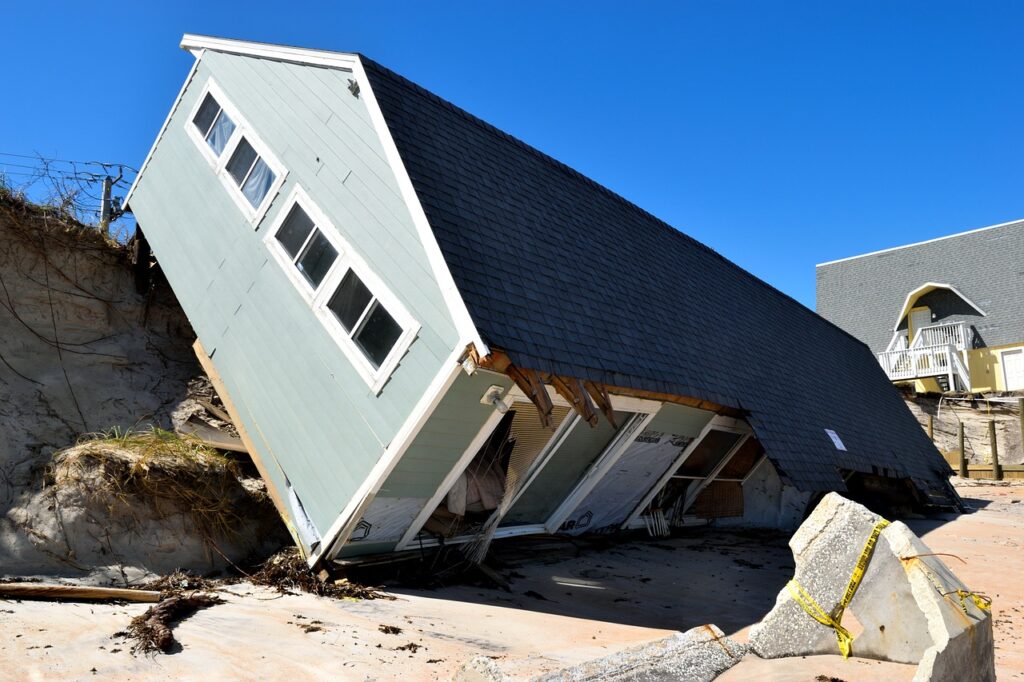
How to Protect Your Mobile Home BEFORE a Hurricane
The government has provided online resources to keep your family safe during natural disasters like hurricanes. No matter what, always stay on top of the weather news and forecasts.
- You can sign up for local weather alerts via text message or get an approved NOAA radio.
- Develop an evacuation plan with detailed steps on what route you will take, how you will communicate with family, and have an up-to-date emergency preparedness kit.
Before you evacuate from your mobile home, make sure to do the following:
Interior Preparation
- Snap photos of items that insurance may require for claims processing after the storm.
- Pack fragile items in boxes and place them on the floor.
- Tape windows and mirrors to keep them from shattering and spreading glass fragments, and cover or shutter windows from the outside to stop flying debris.
Exterior Preparation
- Turn off the water main, as a break in the plumbing line could cause your home to flood with water.
- Shut off fuel lines, such as from a propane tank, so that a severed or broken line does not result in a fire.
- Secure garbage cans, lawn furniture, and any other loose items to prevent them from becoming airborne
- Have your home inspected for loose or rusted tie-downs, properly installed straps and anchors, and roof condition.
Remember that when a hurricane warning comes, be ready to evacuate right away. Your family’s lives and safety are your most precious possessions!
How to Protect Your Mobile Home AFTER a Hurricane
As you begin the cleanup process, assess the damage to your property carefully.
- Wear appropriate personal protective equipment (PPE) during cleanup to stay safe
- Move quickly to avoid further deterioration of your mobile home
- Contact your insurance company as soon as possible to describe any damage. As you work through the recovery process, document all damage, keep receipts, and complete claims forms promptly.
It is heartbreaking to see the effects on a family when the damage is too great to repair. Consider donating your mobile home to a charity organization that can benefit from reclamation and recycling.
Frequently Asked Questions About Mobile Home Hurricane Safety
Are mobile homes safe in storms?
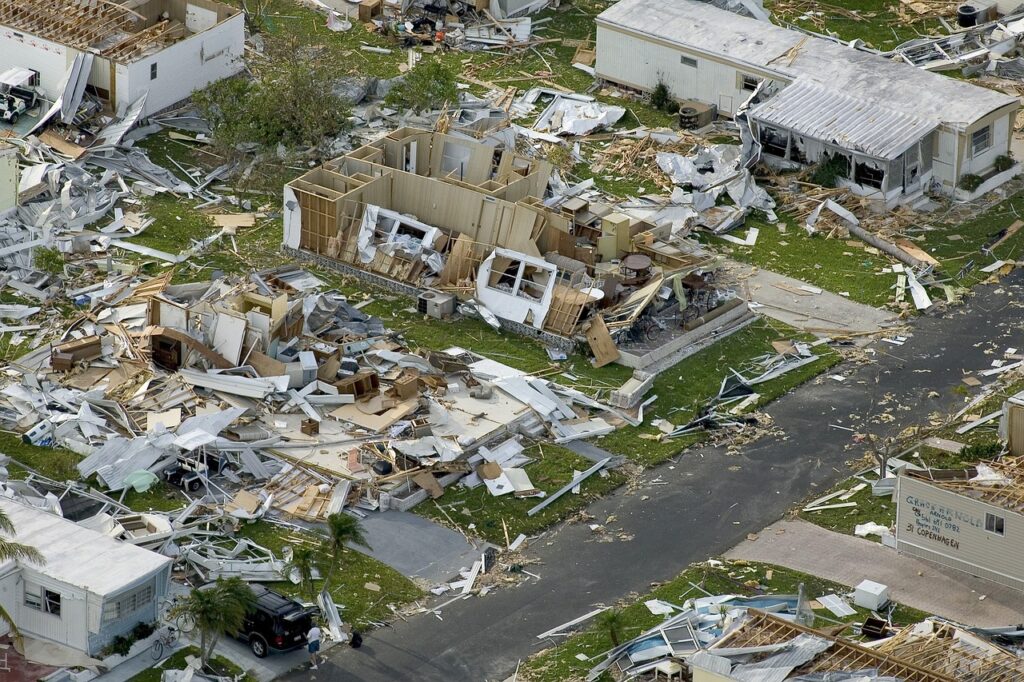
Mobile homes — especially those built before 1976 — are generally not as safe as traditional homes during strong storms or hurricanes. Older mobile homes lack the structural integrity of modern manufactured homes, which are built to HUD standards. If a severe storm is approaching, it’s safest to evacuate and seek sturdier shelter.
Can a mobile home withstand a hurricane?
Some modern manufactured homes can withstand lower-category hurricanes if they’re properly anchored, up to HUD wind zone standards, and maintained. However, even newer homes should not be relied on during hurricanes above Category 2. High winds, flying debris, and flooding pose serious risks — which is why evacuation is always recommended.
What are the best mobile home hurricane prep steps?
Here are essential mobile home hurricane prep actions:
- Install or inspect tie-downs and anchors
- Secure or remove loose outdoor items
- Cover windows with shutters or plywood
- Seal roof edges and inspect wall joints
- Have an emergency evacuation plan
- Check insurance coverage before storm season
Do I need to evacuate my mobile home during a hurricane?
Yes. Even if your home is rated for your local wind zone, the safest choice during any hurricane warning is to evacuate to a designated shelter or safer structure. Mobile homes — especially older models — do not provide adequate protection from high winds or debris.
How can I tell if my mobile home meets hurricane safety standards?
Check your home’s wind zone rating, construction year, and whether it was built under HUD code standards. You can usually find this information on a data plate inside a cabinet or closet. If your mobile home is pre-1976 or doesn’t meet wind zone requirements for your area, it may not be safe during a storm.
What should I do if my mobile home is damaged by a hurricane?
If your home has been seriously damaged and isn’t worth repairing:
- Contact your insurance provider
- Document all damage with photos
- Consider donating the mobile home instead of demolishing it
At Banyan Mobile Home Removal, we offer free mobile home removal for qualifying donations. We’ll haul it away at no cost, and your donation may be tax-deductible.
Conclusion
Neither new nor old mobile homes provide the best shelter from hurricane-force winds. Even if the area where your mobile home is located doesn’t require evacuation, never stay in it during a hurricane. We recommend evacuating during hurricanes. However, these steps can help you limit the damage and keep your property safe.
If your mobile home is irreparable and the damage costs are too high, consider donating your home by calling Banyan Mobile Home Removal (or texting, if you prefer).
With Banyan, we pay all the costs to come to your property, pick up the trailer, and haul it away–there is no cost to you. Banyan is also a charitable organization that refurbishes mobile homes and then turns around and sells them to low-income families at a price they could not find anywhere else. Additionally, you will get a tax deduction for your charitable donation.