
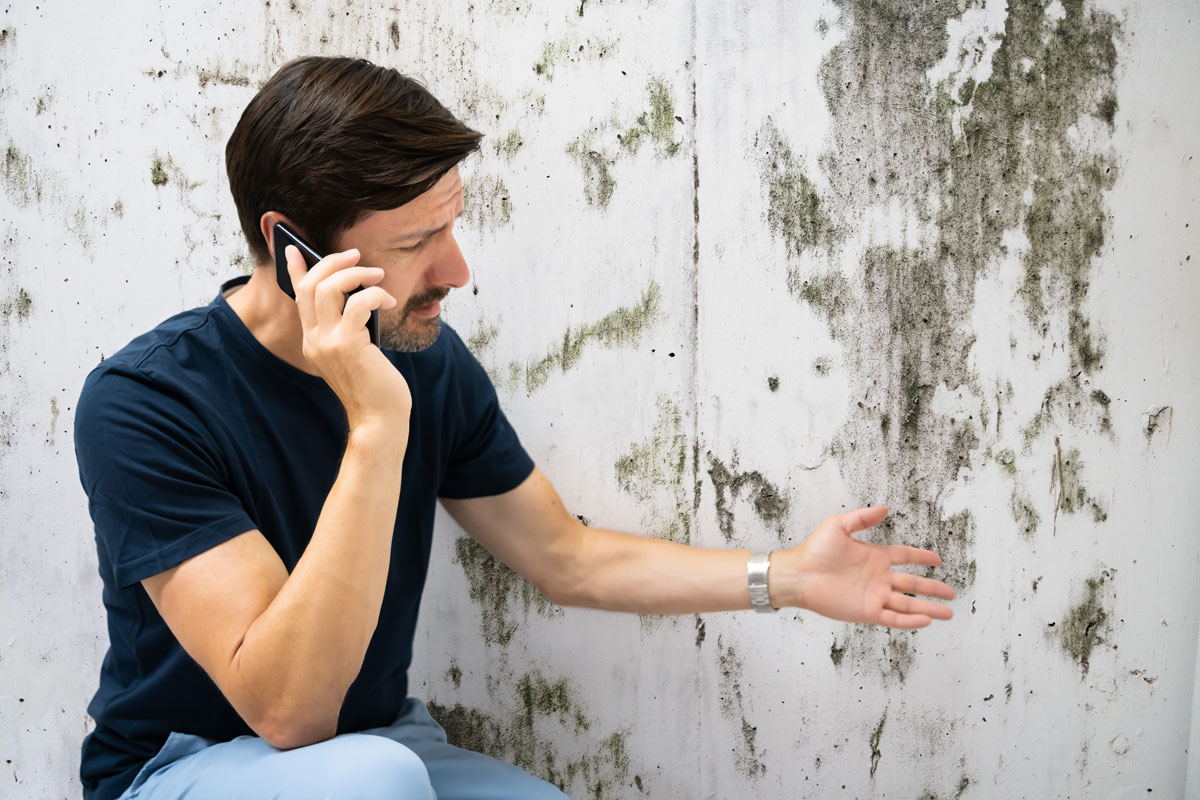
Mold and moisture problems in mobile homes can cause one headache after another. When moisture damages wood, drywall, and other organic materials, mold is a common result. Older mobile homes with leaks and properties with ample humidity can especially serve as ideal environments for mold to grow.
If you catch water damage or mold growth early, you can often simply replace the affected materials. However, the solution for widespread mold growth is more complex. That’s because moisture damage and mold can erode the unit’s structure. When this happens, the best solution is usually to remove the mobile home altogether.
Taking a proactive approach is key. Try these mold prevention techniques to combat mold before it spreads. If you’re already dealing with an existing problem, it’s also important to learn how to know when the damage is too extensive to repair. In that case, Banyan Mobile Home Removal offers free removal to make disposal easier.
Understanding the Causes of Mold and Moisture
Since mold growth requires heat and moisture, controlling these factors is an effective prevention technique. Avoiding mobile home mold damage can be more challenging, though. That’s because the exposed underside of a mobile home offers easy access for moisture and outside heat.
As moisture builds up beneath the floors or seeps into the spaces between the interior and exterior walls, mold can start to develop. Additionally, a roof with small air leaks can also let moisture inside. Leaks, condensation, and insufficient insulation can all contribute to moisture damage and mold growth.
Health and Structural Risks
Even before mold starts to grow, the presence of moisture in your mobile home can damage the unit. Moisture causes wood rot, softens drywall, and encourages rust on metal surfaces.
It can also damage your insulation, flooring, and any organic materials in the mobile home. Both moisture and mold can affect visible and hidden areas inside your mobile home, so regular inspections are vital.
Human health is among the more serious concerns when it comes to mold in mobile home properties. Mold releases spores that enter the body through normal breathing, so exposure can lead to respiratory infections, heart problems, and other serious conditions. Mild exposure might not cause an infection right away, but you can still experience headaches, allergic reactions, and other mild symptoms.
Repair and Prevention Strategies
You can avoid moisture issues in mobile homes by following a few basic maintenance practices. Professional roof inspections can help you ensure the mobile home’s roof is leak-free. Similarly, semi-annual HVAC maintenance will help you address condensation and mold growth in the system.
Don’t neglect your plumbing. In addition to preventing frozen pipes, routine plumbing inspections can help you identify leaks and corrosion. Your plumber can provide drain cleaning service and insulate your exposed pipes to protect the system throughout the year.
If your mobile home doesn’t have sufficient ventilation, consider installing extra vents. When humidity levels seem to remain excessive, install a dehumidifier for better regulation. Adding a vapor barrier to the underside of the mobile home can also safeguard against moisture exposure.
When Is It Time to Replace Instead of Repair?
When deciding whether to repair vs. replace mobile home properties, it’s important to first evaluate the extent of any damage. Widespread moisture or mold damage has likely affected the unit’s structure, so repairing the unit might require rebuilding entire sections of the mobile home, which could easily exceed its market value.
You should also consider how often you deal with water damage. Mobile home properties that frequently suffer these issues are challenging to maintain, and if the problem is serious enough, you may no longer be able to meet safety standards.
If you’re dealing with any of these situations, it may be more cost-effective to use Banyan’s removal services to donate your used mobile home. You can avoid the costs associated with hauling and demolition if your home qualifies for free removal. After completing the removal process, you can install a newer model or use the land to build a permanent structure.
Long-Term Solutions and Moving Forward
After your mobile home donation, you might be planning to replace your old unit, repurpose the lot, or sell the property so that you can invest the money in a different real estate opportunity. If you choose to replace the home, consider opting for a new, energy-efficient manufactured one.
An updated unit may be more equipped to handle problems with mold and moisture. For any type of mobile home you purchase, regular maintenance and prevention practices are key. With a proactive approach, you can not only safeguard the health of anyone living in the home, but you can also protect your bottom line for the long term.
Reach out to our team to explore whether donating your mobile home could be the right solution for your situation.
FAQ
What Causes Mold in Mobile Homes?
Heat and moisture are the two necessary elements to create a thriving environment for mold growth. In addition, mold consumes organic materials for nourishment. As it consumes wood, drywall, and similar substances, the mold will grow and spread.
By rapidly repairing water damage, mobile home owners can prevent mold from affecting their properties.
Can I Fix Mold Myself or Do I Need Professional Help?
When deciding to repair vs. replace mobile home properties, consider all of your options. You might be able to clean a small patch of mold if you catch it early. However, mold can consume everything around it and beneath it. This means your mobile home might have mold damage that’s hard to see.
A professional mold remediation company can provide a thorough inspection and safe mold removal services.
How Do I Know if My Mobile Home Is Beyond Repair?
This decision often comes down to your unique situation and your personal evaluation. You might find it worthwhile to restore the mobile home if the damage isn’t extensive. If the problem recurs or gets out of hand, though, replacing the unit is often the most cost-effective solution. In that case, our free mobile home removal services can help you get started at no cost.
How Dangerous Is Mold Exposure?
Mobile home mold damage can affect your health in a variety of ways. Mild or short-term exposure might cause temporary symptoms, such as headaches, fatigue, and skin rashes. While respiratory infections are more likely in people with compromised immune systems, long-term exposure can also lead to aspergillosis, pneumonia, and other serious illnesses.
As soon as you experience the symptoms of mold exposure, consult your doctor. A healthcare professional can diagnose and treat your condition. Left untreated, mold spores can damage lung tissue or lead to serious illness.
Can Banyan Remove a Mold-Damaged Mobile Home for Free?
Connect with our team when you have moisture issues in mobile homes on your property. We can evaluate the condition of each unit to determine whether it qualifies for free removal. In many cases, mold damage may not disqualify the mobile home for free donation.
We can help you deal with this problem in the most stress-free and cost-effective way possible.
Learn About Free Mobile Home Removal for a Fresh Start
While you can often repair or replace materials with minor mold, removal is the best option when your mobile home has severe mold growth or a chronic mold problem. If mold or water damage has gotten out of hand on your property, Banyan can help you remove and donate your mobile home at no cost to you.
With our easy, transparent services, you can keep your property safe and enjoy a fresh start. We take pride in offering homeowners a practical, compassionate way to move forward both safely and affordably.
Do you have a mold- or moisture-damaged mobile home? Contact us to schedule a free consultation and find out whether your unit qualifies for free removal today.