

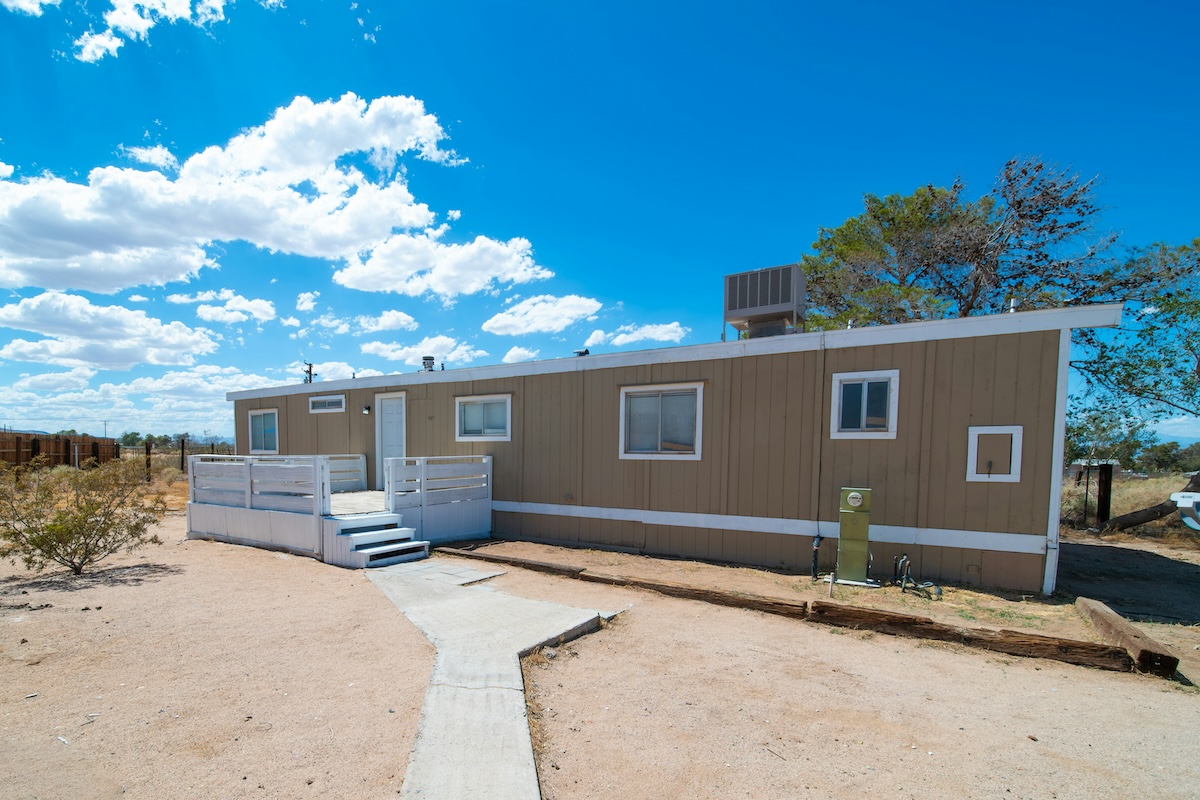
If you have been planning to sell, move, or donate your mobile home but have realized you do not have the title, you are not alone. Perhaps the home was inherited, purchased decades ago, or relocated from one park to another, and somewhere along the way, the paperwork was lost.
So what happens now? Can you still sell a mobile home without a title?
In most cases, the answer is no, at least not legally. A title is a document that proves you own the home and allows ownership to be transferred to a buyer. Without it, the sale can stall or even be declared invalid.
But that does not mean you don’t have options. Depending on your situation, you can replace the title and prove ownership through other records.
In this guide, we’ll explain what a mobile home title is, why it matters, and what steps you can take if yours has been lost, damaged, or never issued in the first place.
What Is a Mobile Home Title?
A mobile home title (also called a certificate of title) is the legal document that proves ownership of your home. It is the document that verifies ownership of the mobile home and contains key details such as the homeowner’s name, the serial number or VIN, and the make, model, and year of manufacture.
Without a mobile home title, you cannot legally sell, donate, or transfer ownership.
If your mobile home is classified as personal property (typically when it remains moveable and not permanently attached to land), most states issue titles through the Department of Motor Vehicles (DMV) or a state housing agency.
If you want to sell or donate the mobile home, you must complete a title transfer to officially record details about the new owner. The previous owner is relieved of liability only after this transfer is complete.
If your mobile or manufactured home has been placed on a permanent foundation and classified as real property, the title is typically retired. Ownership is then recorded through a deed with the county clerk or local property records office, and any future sale is handled as a standard real estate transaction.
Regardless of classification, the title is essential for establishing legal ownership. It protects both seller and buyer by confirming who has the legal right to sell, finance, or relocate the home. Without it, ownership transfers cannot be completed legally, and attempted sales risk being voided.
What to Do If You Don’t Have a Title?
If you have lost your mobile home title or never received one, the situation can usually be resolved with the proper steps. Every state handles titles for manufactured homes differently, but most follow a similar process for replacing or confirming ownership.
1. Contact the State Agency That Issued the Title
Begin by contacting the state agency responsible for mobile home registration. In many states, this is typically the Department of Motor Vehicles (DMV) or a division of the Department of Transportation.
For example, Texas manages titles through the Texas Department of Housing and Community Affairs (TDHCA) and issues Statements of Ownership instead of traditional titles, while California uses the Department of Housing and Community Development (HCD) for title processing.
Ask for a duplicate certificate of title application. You will usually need to provide:
- The serial number or VIN
- Proof of identity
- The address or location of the home
- Any existing lien information
Although the base filing fee for a replacement title ranges from $50 to $500, the actual cost is often higher when other expenses are factored in.
Many homeowners discover additional charges such as back taxes of $500 to $3,000 or more, late transfer penalties of $100 to $500, and potential lien payoffs depending on what is still owed on the home.
More complex cases can involve legal fees ranging from $500 to $2,000 and smaller costs like notary services or certified documentation fees of $50 to $150. Altogether, a realistic total cost can reach $1,200 to $6,000 or more, depending on your situation and what issues arise during the process.
The timeline also varies widely. Straightforward duplicate title requests are usually completed in four to eight weeks, while cases involving liens or unpaid taxes can take two to four months.
If the title must be re-established through a bonded process or the previous owner is deceased, expect the process to take three to six months or longer.
2. Verify Legal Ownership and Clear Any Liens
If the home still has an active lienholder listed, that lender must release the lien before a new title can be issued. You may also need to pay any back taxes or registration fees.
When you Clear these balances, it ensures that the new title will be a clear title that can be transferred to a new buyer without complications.
3. Check Whether the Home Is Classified as Real Property
Some manufactured homes are permanently installed on foundations and have been converted to real property. In that case, the title might have been retired, and ownership is recorded through a deed at the county clerk or property records office.
If that applies to your home, you can request a copy of the deed instead of a duplicate title. The home will then be transferred through a standard real estate sale process rather than through the DMV.
4. File for a Bonded or Lost Title if Records Are Incomplete
If the proof of ownership for your mobile home cannot be verified through standard records, most states allow a bonded title process. This is a legal method to establish ownership when the original certificate of title is missing, incomplete, or cannot be located.
Under this process, the current owner purchases a surety bond equal to the appraised value of the home. The bond protects any previous legal owner or lienholder who might later prove ownership.
The bond period usually lasts three to five years, depending on the state. If no one disputes the claim within that period, the state issues a full and permanent title.
Bonded titles are often used in situations such as:
- The previous owner cannot be located or refuses to cooperate.
- The title was never properly transferred after a home sale.
- Registration records show gaps or conflicting ownership information.
You should start this process by contacting your state’s DMV or housing department to request a bonded title packet. You will likely need to:
- Complete a bonded title application and pay a filing fee.
- Provide a bill of sale or any documents showing how you acquired the home.
- Obtain an independent value appraisal of the home to determine the bond amount.
- Purchase the surety bond from a licensed bonding company.
Processing a bonded title usually takes two to six months, depending on state workload and documentation accuracy, and the cost of the surety bond typically ranges from 1% to 2% of the home’s value. For an average double-wide valued at $40,000, that means an additional $400 to $800 in bonding fees, in addition to regular filing and notary expenses.
Each missing-title case is different, but most fall into one of the following categories:
- Previous owner is deceased: You will need estate documents such as a will, death certificate, or probate paperwork. Some states require a court order before the title can be transferred.
- Previous owner will not cooperate or cannot be found: A bonded title or court-ordered transfer is usually the only way forward.
- Mobile home park will not release the title: If the park owner is withholding it after full payment, you may need to involve your state’s housing agency or seek legal assistance.
- You never received a title after purchase: Track the chain of ownership through previous bills of sale or county tax records before applying for a replacement.
A bonded or lost-title process can be tedious, but it enables a homeowner to restore legal ownership and proceed with title transfer, sale, or removal of the home.
5. Gather Supporting Documentation
Documents that can help establish ownership include:
- Bill of sale from your purchase
- Property tax payment records
- Utility bills showing your name at the home’s address
- Previous registration or insurance documents
- Affidavits from neighbors or park managers confirming your occupancy
These documents help confirm a chain of ownership, especially in cases where the title was not properly transferred or where previous records are missing. When submitting paperwork to the Department of Motor Vehicles (DMV) or state housing authority, include notarized copies whenever possible and keep a complete copy for your own records.
If the state questions your documentation or needs additional verification, you may be asked to provide certified statements, affidavits of ownership, or contact information for the previous owner. Some states also require a county clerk to verify the mobile home’s location or confirm that property taxes are up to date before approving a replacement title.
Keep copies of all communications with state agencies and any paperwork from the original sale.
If your situation involves a deceased owner requiring probate, multiple liens exceeding the home’s value, or ongoing disputes with mobile home parks, it is better to consult with a real estate attorney before proceeding.
Conclusion
You cannot legally sell a mobile home without a title. The title is what confirms your legal ownership, allows for a proper title transfer, and protects both you and the buyer during the sale process.
If yours has been lost, damaged, or never issued, it can usually be replaced. Start by contacting your state’s housing or Department of Motor Vehicles, clearing any liens or back taxes, and gathering the right documentation. The process can take time and may involve unexpected costs, but resolving ownership issues now prevents far greater problems later.
For some homeowners, especially those with an old or unrepairable home, Banyan Mobile Home Removal can help you explore alternatives such as free removal or donation, depending on your location and the condition of your home.
If you are unsure where to start, contact our team for guidance. We can help you confirm ownership, understand your options, and manage the entire process so you can move forward with confidence.