

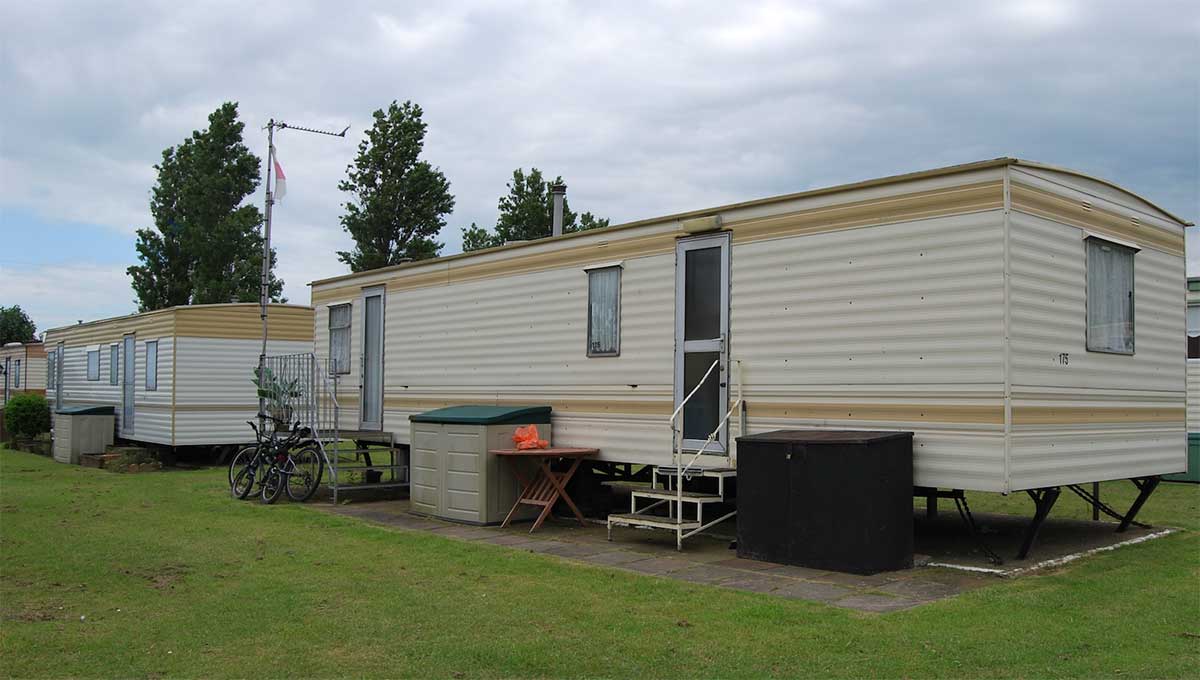
What Happens If You Walk Away From a Mobile Home in a Park?
If you walk away from a mobile home in a park, you stay the legal owner, and lot rent, late fees, and taxes keep adding up in your name until the title changes hands. Leaving the keys on the counter transfers nothing.
From there, the park usually heads to court. In most states, management can file for eviction, win a judgment for the unpaid rent, and ask a judge to declare the home abandoned so the park can sell or dispose of it. You lose the home and still owe the bill.
A cleaner exit exists: donate your mobile home and have it removed at no cost.
Do You Still Owe Lot Rent After You Move Out?
Yes, you still owe lot rent after you move out, because the lease covers the space your home sits on, not your presence in it. As long as your home occupies the lot, the meter runs.
And it runs fast. Court filings from Vermont park cases show lot rent accruing at $476 to $480 a month after owners left, with judgments topping $4,000 once court costs joined the pile. Unpaid balances can also land in collections and follow your credit for years.
Before you do anything, pull out your lease. Look for the termination clause, the required notice period, and any rule about removing the home when you leave. Rules differ by state, so check yours or call a local tenant resource.
Why Is It So Hard to Sell a Mobile Home in a Park?
Selling a mobile home in a park is hard because the buyer needs park approval, financing for older homes is scarce, and lot rent scares off bargain hunters. Each obstacle has a workaround, though.
- Park approval: ask the manager for the buyer criteria in writing before you list, then screen callers against it.
- Financing: expect cash buyers for older homes, and price with that in mind.
- Lot rent: put the monthly rent in your ad up front. Serious buyers stay, and tire kickers move along.
Still no takers after a month or two? Stop paying rent on hope and look at your other exits.
How to Get Out of a Mobile Home in a Park Without Abandoning It
To get out of a mobile home in a park without abandoning it, transfer ownership through a sale, a title handoff to the park, or a donation. Start with the option that takes the least effort.
- Ask the park to take the title. Some parks accept a home in exchange for ending the lease. Get the agreement in writing and confirm the title transfers out of your name.
- Sell at a low price. A quick sale at a modest price beats six more months of rent.
- Donate it. A nonprofit removes the home, handles the permits, and gives you a tax receipt for a possible deduction.
With Banyan, 1980 or newer single-wide and double-wide homes qualify, and removal takes about 8 to 10 weeks after you sign. Start before you move, since rent runs until the home leaves the lot.
One couple who moved in with an aging parent learned this the hard way. They kept paying lot rent while another organization ignored them for months, then heard back from Banyan the same day they reached out.
Leave Your Park Home the Right Way With Banyan Mobile Home Removal, Nationwide
Banyan Mobile Home Removal helps park residents across the continental US leave a mobile home behind without leaving debt behind. As an accredited 501(c)(3) nonprofit, Banyan works with park management, covers the licensed movers, and places your home with a family who needs one.
You get a clean break. Contact Banyan Mobile Home Removal before the next rent bill arrives.
FAQs: Walking Away From a Mobile Home in a Park
Can a mobile home park take my home?
Yes, in most states a mobile home park can take your home through a court process when lot rent goes unpaid. The steps vary by state.
Does abandoning a mobile home hurt your credit?
It can. Unpaid lot rent from an abandoned mobile home may go to collections or become a court judgment.
Can I give my mobile home back to the park?
Sometimes. The park must agree, and you need to transfer the mobile home title out of your name.
How long does it take to donate a mobile home in a park?
Donating a mobile home in a park takes about 8 to 10 weeks after you sign the agreement.