

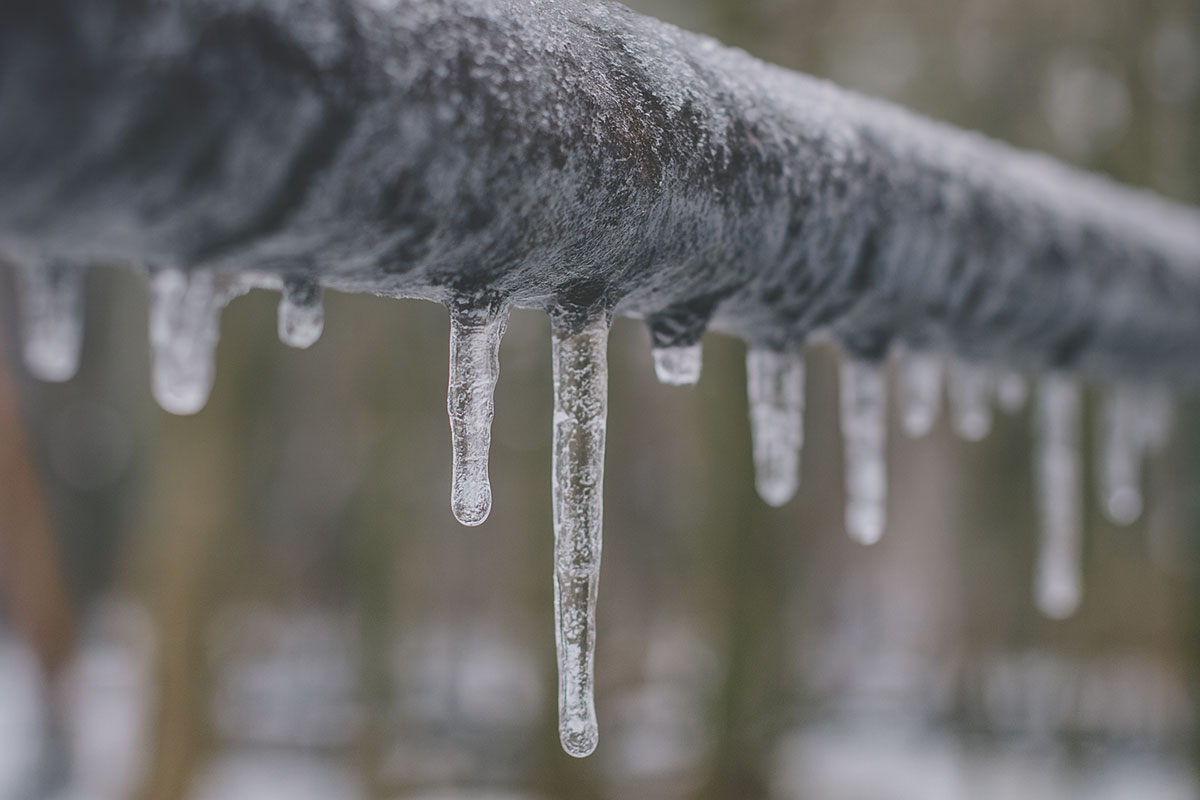
When winter temperatures drop below freezing, mobile homes are at an elevated risk of frozen pipes. Mobile homes are more susceptible because the plumbing often runs beneath the structure, which means they are more exposed to cold air and less protected by insulation compared to traditional houses.
When water inside a pipe freezes, it expands, which can lead to bursts and costly water damage throughout the home.
The good news is that you can avoid pipe bursts, mobile home plumbing headaches, and catastrophic damage. The key is being proactive and learning how to prevent frozen pipes in a mobile home.
Step 1: Insulate Pipes and the Underside of the Home
One of the most effective ways to prevent freezing is proper insulation. Start by wrapping all exposed plumbing with pipe insulation sleeves or UL-rated heat tape designed for mobile homes. When you winterize mobile home plumbing under the residence, you drastically reduce the risk of freezing.
Don’t stop there. Here are some mobile home insulation tips to protect the rest of your plumbing:
- Insulate the skirting and underbelly
- Create a barrier that traps warmer air around the pipes
- Check for gaps or damaged insulation before winter
These steps will help you stop cold air from circulating underneath the structure.
Step 2: Keep Water Flowing During Freezes
Even a small amount of movement in your pipes can prevent freezing. On extremely cold nights, open your faucets slightly and let water drip. Moving water doesn’t freeze as easily, and these simple steps can relieve pressure inside pipes if ice begins to form.
If your mobile home has multiple bathrooms or a long plumbing layout, run a slow trickle in the farthest faucet from the water source to keep water circulating through the entire system. If you run a faucet near the water source, pipes on the far end of your home may still freeze.
Step 3: Seal Air Leaks and Protect Crawl Spaces
Cold air infiltration is one of the main causes of frozen pipes in mobile homes. Inspect your home’s crawl spaces for cracks, gaps, or openings where frigid air can creep in. Common culprits include loose skirting, unsealed vents, and small holes around plumbing lines or electrical wiring.
Use foam boards or spray foam to seal these openings. You can also add insulated access panels to enclose the areas. If you need to perform maintenance later, simply take the access panel down. A well-sealed crawl space keeps temperatures more stable and reduces the risk of freezing.
Step 4: Maintain a Consistent Indoor Temperature
Consistency is essential when it comes to protecting your plumbing. Keep your home’s thermostat set to a reasonable temperature, even if you’ll be away. Sudden temperature drops can cause your pipes to freeze overnight.
For extra protection, you may want to use small space heaters under sinks or in laundry rooms. Just make sure there are no flammable materials nearby.
Step 5: Know What to Do if Pipes Freeze or Burst
Even if you know how to prevent frozen pipes in a mobile home, extreme cold temperatures could still cause a pipe to burst. If a pipe freezes, you’ll need to:
- Shut off your main water supply immediately to stop additional flow and pressure buildup
- Open faucets throughout the home to relieve trapped pressure
- Gently thaw frozen sections using a hair dryer or heating pad
- Once the pipes have thawed, inspect them for leaks
If a pipe bursts or the damage is extensive, contact a licensed plumber right away. You can also explore Banyan’s free removal program for unrepairable mobile homes.
Step 6: Long-Term Solutions
Now that you know how to prevent frozen pipes in a mobile home this winter, it’s time to focus on long-term solutions. Performing regular seasonal maintenance and adding permanent insulation will help protect your plumbing year after year. You can even invest in a heating system for the underbelly of your mobile home.
If your unit is older and frequently encounters freezing issues, consider replacing it and donating the home through Banyan. We offer free mobile home removal to give you a fresh start.
FAQs
What Temperature Do Pipes Freeze in a Mobile Home?
Most pipes begin to freeze when temperatures drop below 32℉ for several hours. However, if your mobile home is poorly insulated, it could experience pipe freezing even if the outdoor temperatures are slightly higher. Cold air that is circulating under the structure could cause long-lasting damage.
How Do I Insulate Pipes Under My Mobile Home?
Use foam insulation sleeves or heat tape on all exposed pipes. Then, reinforce your skirting or underbelly insulation to create a warm pocket of air. Always check the manufacturer’s instructions for safe installation of electrical heating products.
What Should I Do if My Mobile Home Pipes Burst?
Turn off the main water supply and open all faucets. Call a plumber immediately and clean up any standing water while you wait. If repairs exceed your home’s value, contact Banyan to see if it qualifies for free removal after damage.
Can a Frozen Pipe Damage My Home Permanently?
Yes. Burst pipes can lead to flooding, rot, mold, and electrical hazards.
Can Banyan Remove a Mobile Home Damaged by Frozen Pipes for Free?
In many cases, yes. Banyan’s free mobile home removal program helps homeowners remove or donate unrepairable mobile homes after events like freeze damage.
Need Help Moving Your Damaged Mobile Home? Contact Banyan
Preventing frozen pipes in a mobile home starts with early prep. Taking a few simple steps today can prevent thousands of dollars in repairs tomorrow.
But if freezing temperatures cause major or repeated damage to your home, you don’t have to face costly demos alone. Banyan’s free mobile home removal program offers an easy, no-cost way to remove or replace an unrepairable home. Connect with Banyan to learn more and see if you are eligible for free mobile home removal after damage.